Building Survey Overview
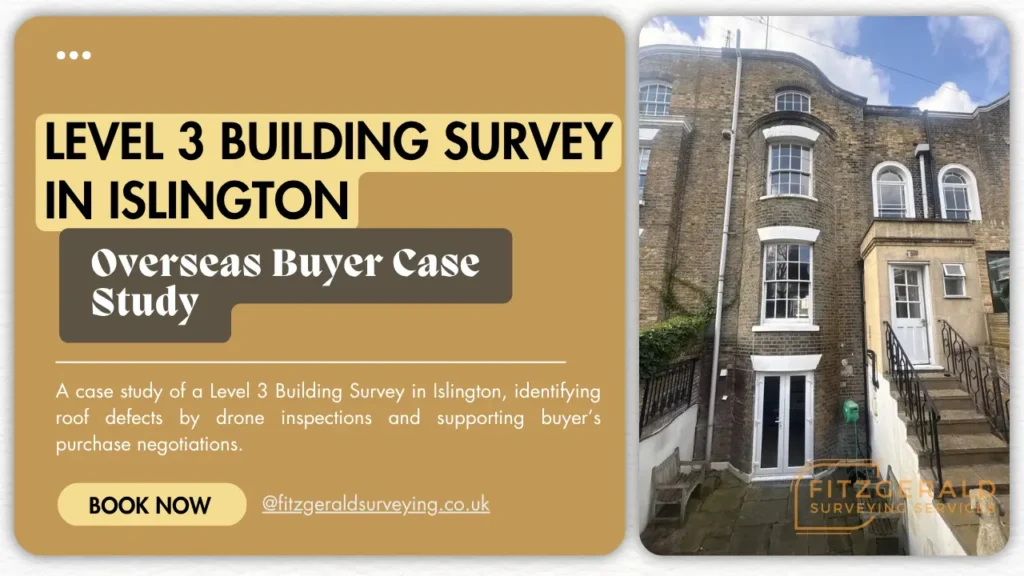
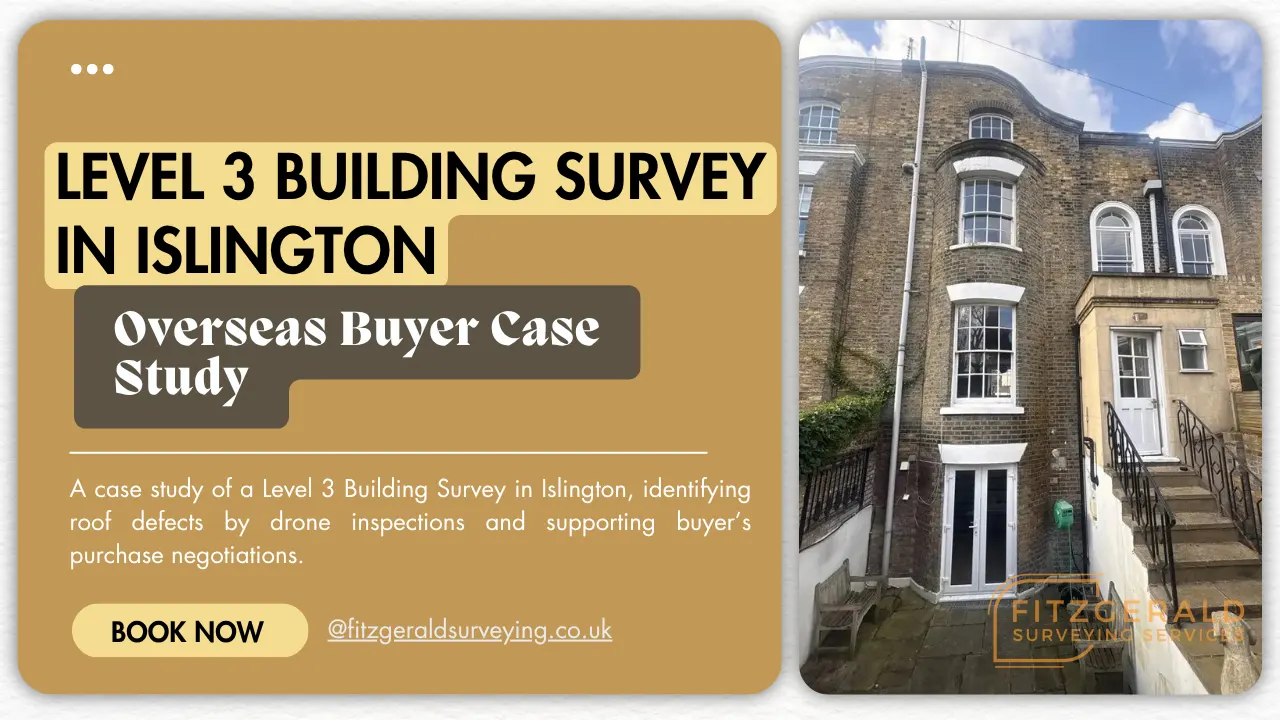
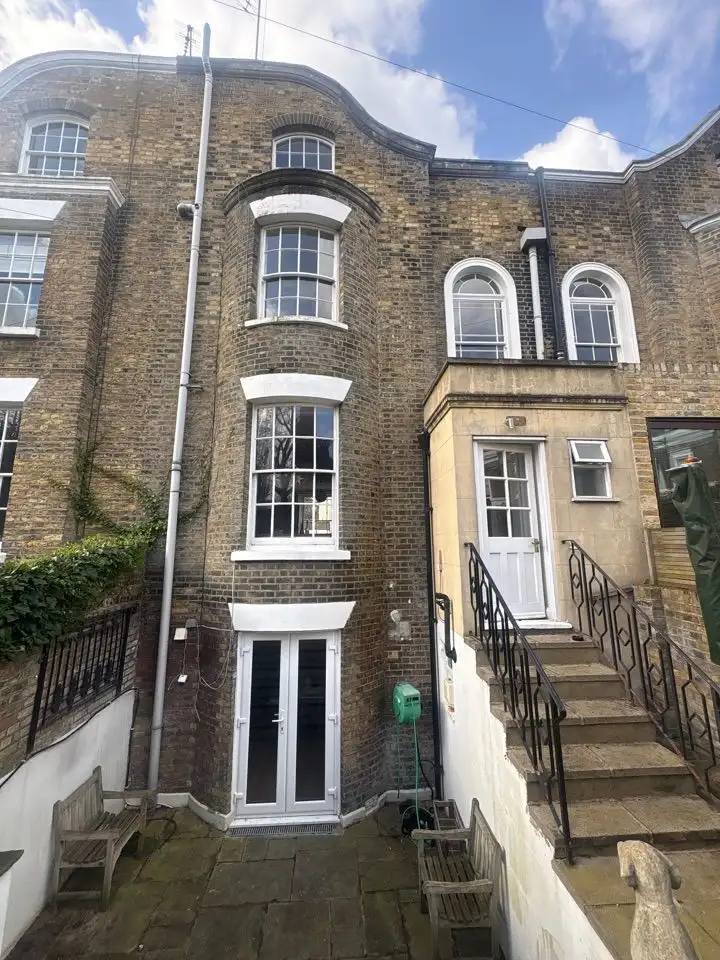
We were instructed by an overseas buyer purchasing a traditional three-storey, mid-terraced property in Islington, London, to carry out an Islington Level 3 Building Survey.
The client had not viewed the property in person and therefore relied heavily on our professional assessment to understand its condition, identify significant defects and highlight the potential costs associated with future maintenance.
Given the property’s age, traditional construction and height, we recommended a RICS Level 3 Building Survey, providing a more detailed assessment than a standard Level 2 Home Survey.
Our Level 3 Building Survey Approach
Our priority was to provide the client with a thorough, independent understanding of the property, identifying not only immediate defects but also the longer-term maintenance requirements associated with owning an older London property.
A Level 3 Building Survey was particularly appropriate given the age and complexity of the building. Unlike a Level 2 Home Survey, which provides a more concise assessment of a property’s condition, a Level 3 Building Survey offers greater detail on the nature of defects, their potential causes, implications and recommended remedial works.
With the client purchasing from overseas, clear communication and practical advice were especially important. We wanted to ensure they could make an informed purchasing decision without having visited the property in person.
Our Building Survey Method
Our inspection combined a detailed assessment of the building’s internal and external elements with drone roof inspections, allowing us to examine areas that would otherwise have been inaccessible.
The property’s three-storey height and mid-terraced position meant that the main roof coverings, chimney stacks and high-level rainwater goods could not be adequately inspected from ground level.
The drone inspection proved particularly valuable, identifying numerous defects affecting the roof coverings, gutters and rainwater pipes that required urgent attention.
These defects could have resulted in significant repair costs and increased risks of water penetration and deterioration if left unresolved.
Our Level 3 Building Survey Provided the Client with
Detailed defect assessments, explaining the condition of the building and the likely causes of identified problems.
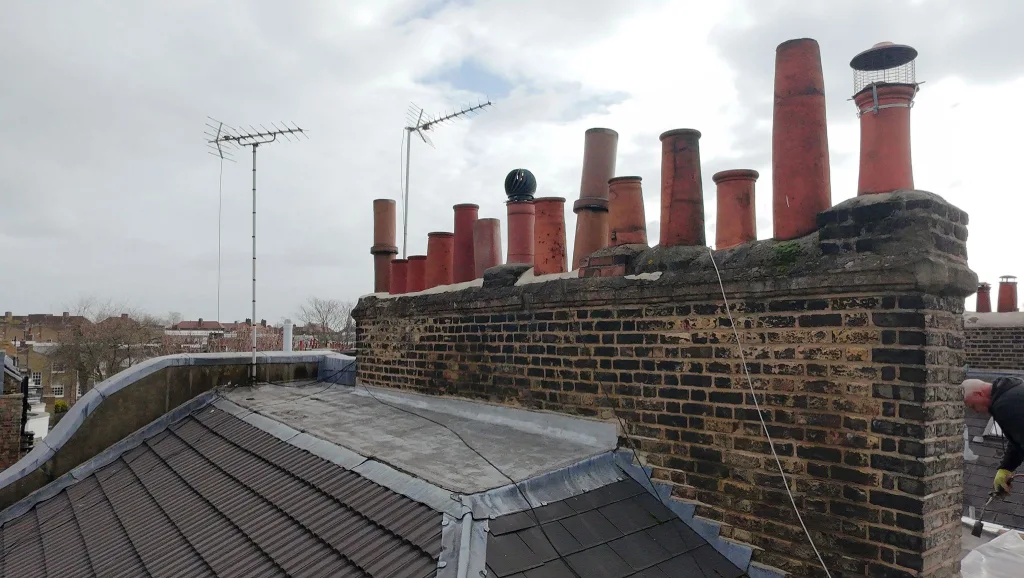
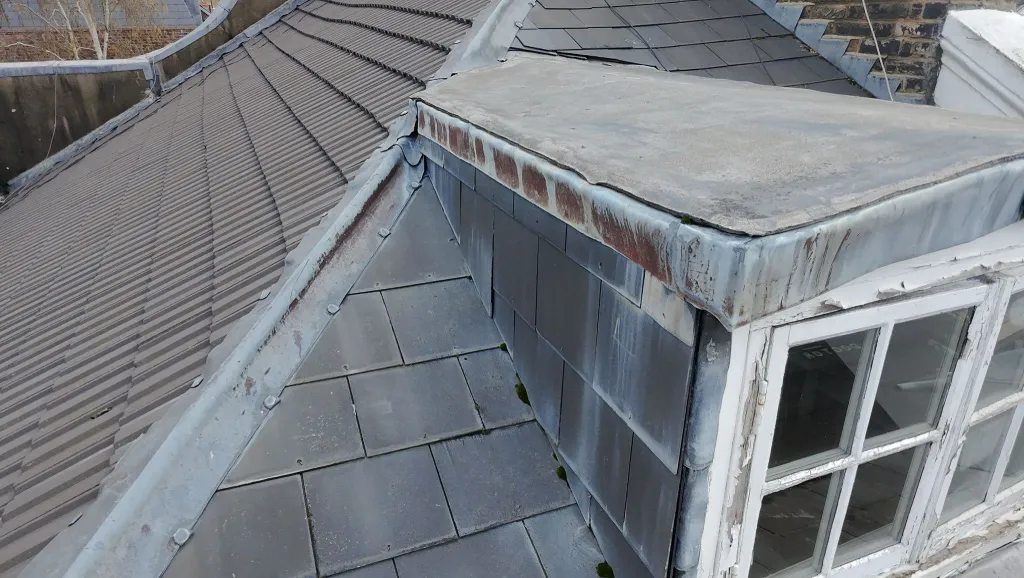
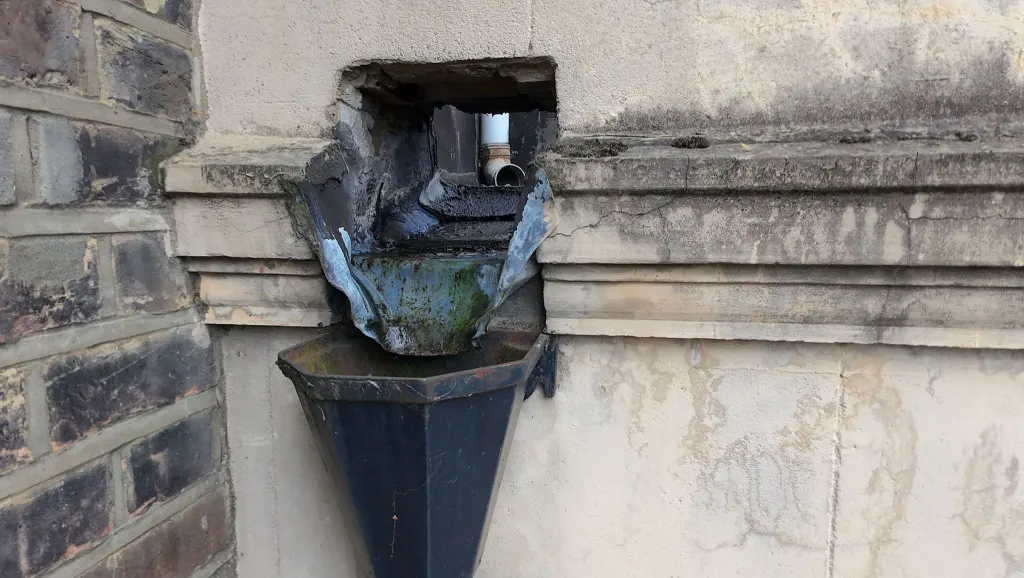
Drone roof inspections, identifying high-level defects that could not be adequately assessed from ground level.
Practical repair recommendations, distinguishing urgent works from routine maintenance.
Guidance on future expenditure, helping the client understand the financial responsibilities associated with maintaining an older property.
Post-survey support, explaining the findings and helping the overseas buyer understand their implications.
Importantly, the defects identified during the drone inspection provided the client with evidence to support negotiations over the property’s purchase price, taking account of the repairs required.
Why the Level 3 Building Survey Matters
Older properties, particularly traditional multi-storey London terraces, can present maintenance challenges that are not immediately apparent during a viewing.
A RICS Level 3 Building Survey provides a more comprehensive assessment than a Level 2 Home Survey, making it particularly valuable for older, altered or more complex buildings where detailed advice on defects and future repairs is essential.
In this case, the use of drone technology was particularly important. Without it, significant defects affecting the roof and high-level rainwater drainage could have remained unidentified during a conventional ground-level inspection.
For a buyer purchasing from overseas, the importance of a trusted, experienced surveyor was even greater. Our role extended beyond identifying defects to explaining their significance, likely repair requirements and the ongoing costs of maintaining a property of this age and construction.
A thorough Level 3 Building Survey can provide buyers with the confidence to proceed, the evidence to negotiate where necessary, and a clearer understanding of the property they are investing in.