Overview
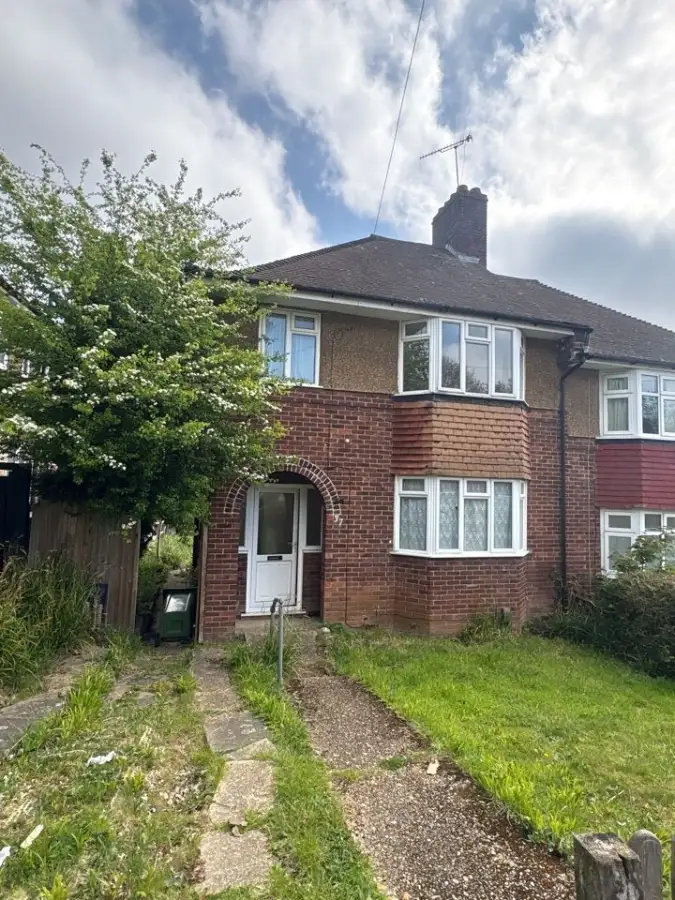
The house was vacant at the time of inspection and situated in a popular residential area. Although the client was keen to proceed, several visible defects had raised concerns about the condition of the building and the possibility of more substantial repair costs. As experienced building surveyors in Greenwich, we regularly assist first-time buyers across South East London who need an independent view of a property before exchange.
A Level 3 Building Survey was appropriate because it provides a detailed visual assessment of the accessible building elements, explains the implications of defects and sets out recommendations for repair or further investigation. This was particularly important for a first-time buyer who needed a clear understanding of the work involved.
Our Response
We discussed the client’s concerns in detail before accepting the instruction, ensuring the inspection addressed those issues without reducing the wider scope of the Level 3 survey. Desktop research was undertaken into the building, local conditions and available records of historic alterations and planning matters. The inspection was arranged within a week of the original enquiry.
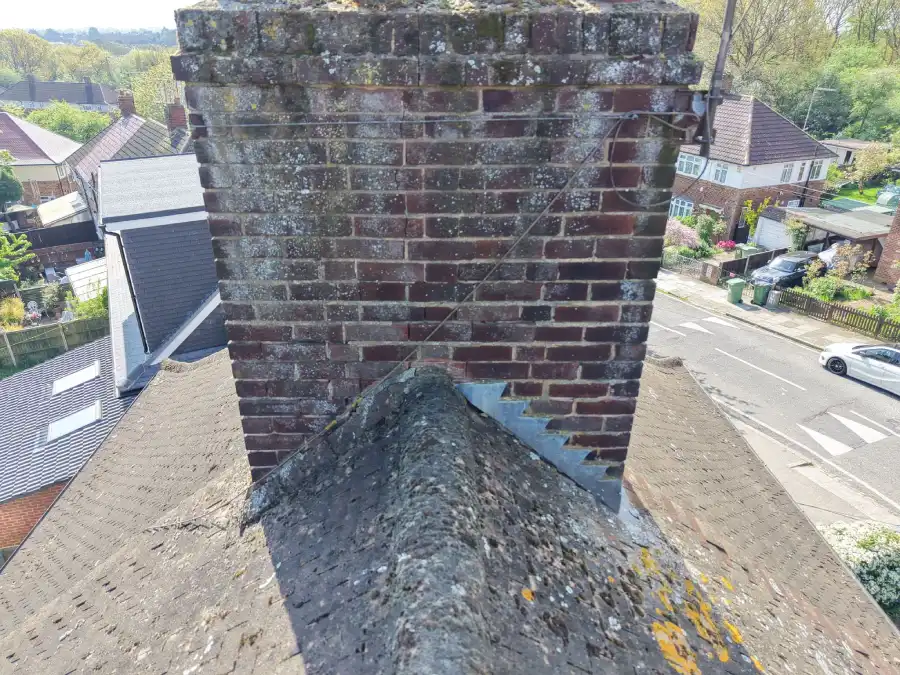
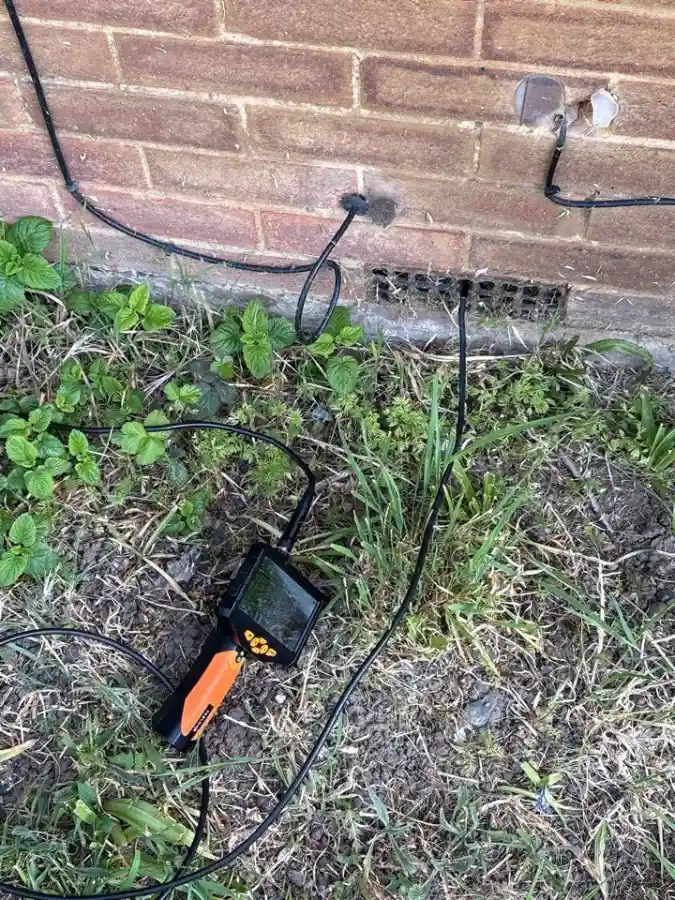
On site, we examined the accessible internal and external elements and used a drone roof survey to assess high-level areas. Thermal imaging provided supplementary information about the building envelope. We also used an endoscope through accessible subfloor ventilation openings to obtain limited views of the floor void and timber construction. This did not replace a full subfloor inspection, but helped establish whether further investigation might be warranted.
Method in Brief
- Detailed Building Inspection: Assessment of accessible structural elements, finishes, roof coverings, rainwater goods, drainage and internal fittings.
- Drone Inspection: High-level inspection of roof coverings and other external details not readily visible from ground level.
- Thermal Imaging: Supplementary assessment of temperature patterns and potential weaknesses in the building envelope.
- Subfloor Endoscope Inspection: Limited, non-invasive inspection through ventilation openings to help identify floor construction and possible timber or ventilation concerns.
Outcome & Deliverables
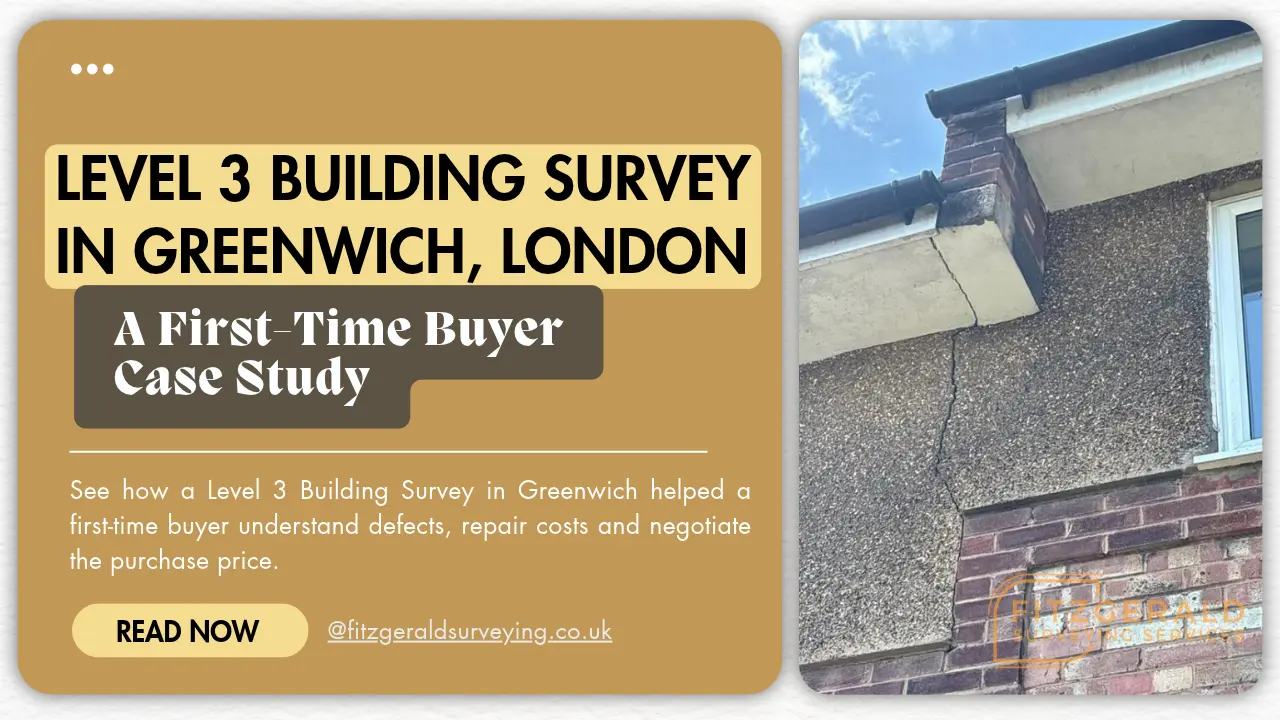
The most significant finding concerned movement affecting the front bay window. The pattern suggested a possible ground-related issue requiring specialist assessment to establish its cause, significance and appropriate repair approach.
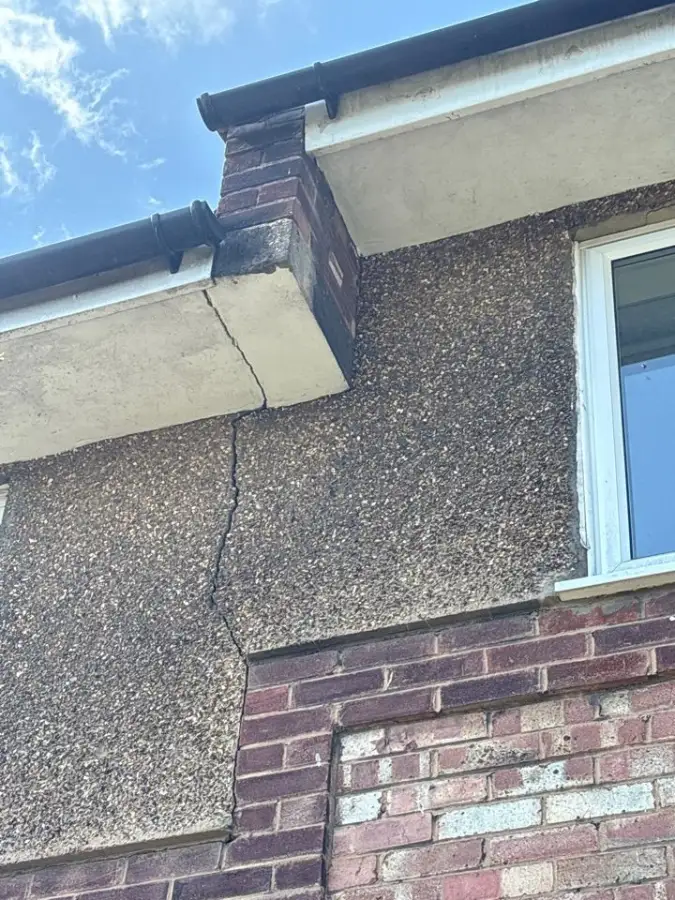
This was an important matter for the client to investigate before purchase.
Key Findings
- Suspected structural movement affecting the front bay window, needing specialist assessment
- Repairs required to roof coverings and rainwater goods
- Drainage and internal fittings in need of attention
- Restricted subfloor ventilation and damp conditions affecting concealed timber floors
- A maintenance backlog built up over an extended period
We also identified maintenance and repair requirements affecting the roof coverings, rainwater goods, drainage and internal fittings. Restricted subfloor ventilation and damp conditions raised concerns about the long-term condition of concealed timber floors. Considered together, the findings suggested that maintenance had been limited over an extended period.
The report set out the main defects and provided a prioritised repairs table with indicative cost allowances. We then held further calls and discussions with the client to explain the findings and support their next steps. The client subsequently confirmed that they had completed the purchase and had negotiated the price following our advice.
Why It Matters
For a first-time buyer, the difficult part is often not identifying that repairs are needed, but understanding which issues matter most and how much they may cost. By explaining the suspected bay movement, the wider maintenance backlog, and the likely repair priorities, we helped the client assess the financial commitment more realistically. Continued support after the report was equally important: the client could ask questions, review the next steps, and proceed with a clearer understanding of the property.
Frequently Asked Questions
First-time buyers in Greenwich often have the same questions before committing to a purchase. The answers below explain what a Level 3 Building Survey covers and how it supports your decision.
What is a Level 3 Building Survey?
A Level 3 Building Survey is the most detailed RICS home survey. It provides an in-depth assessment of a property’s construction and condition, explains the cause and implications of any defects, and sets out recommendations for repair or further investigation.
Why does a first-time buyer need a Level 3 survey?
For a first-time buyer, a Level 3 survey gives a clear understanding of a property’s condition and the likely cost and priority of repairs, which supports a more confident decision before exchange.
What does structural movement in a bay window mean?
Movement affecting a bay window can indicate a ground-related or structural issue. It usually warrants specialist assessment to establish the cause, how significant it is and the appropriate repair approach before purchase.
Why are a drone, thermal imaging and an endoscope used in a building survey?
A drone roof survey allows close-range inspection of high-level areas, thermal imaging highlights possible weaknesses in the building envelope, and an endoscope gives limited, non-invasive views of concealed areas such as the floor void, together building a fuller picture of the property.
Can the survey findings help negotiate the purchase price?
Often, yes. Where a survey identifies significant defects or future repair liabilities, the findings give a buyer a clear, evidence-based position from which to discuss the purchase price before exchange.
Why Choose Fitzgerald Surveying Services
Fitzgerald Surveying Services is a family-run and independent practice. Our surveyors are members of RICS, RPSA, CIOB and FODCS (Federation of Damp Certified Surveyors), giving buyers confidence that their property is assessed to professional standards.
Arrange Your Survey
Buying your first home in Greenwich or elsewhere in London? Arrange a Level 3 Building Survey with Fitzgerald Surveying Services today.